
On This Day - 15th June
1215 King John agreed to put his
royal seal on the Magna Carta, or Great Charter of English liberties, at
Runnymede, near Windsor. The document was the first to be forced onto an
English King by a group of his subjects. It was essentially a peace treaty
between John and his barons, guaranteed the nobles their feudal privileges
and promised to maintain the nation's laws. The Baron of Pontefract, John De Lacy, was one of twenty-five barons who forced King John into agreeing the document, hence this banner (see
King John agreed to put his
royal seal on the Magna Carta, or Great Charter of English liberties, at
Runnymede, near Windsor. The document was the first to be forced onto an
English King by a group of his subjects. It was essentially a peace treaty
between John and his barons, guaranteed the nobles their feudal privileges
and promised to maintain the nation's laws. The Baron of Pontefract, John De Lacy, was one of twenty-five barons who forced King John into agreeing the document, hence this banner (see 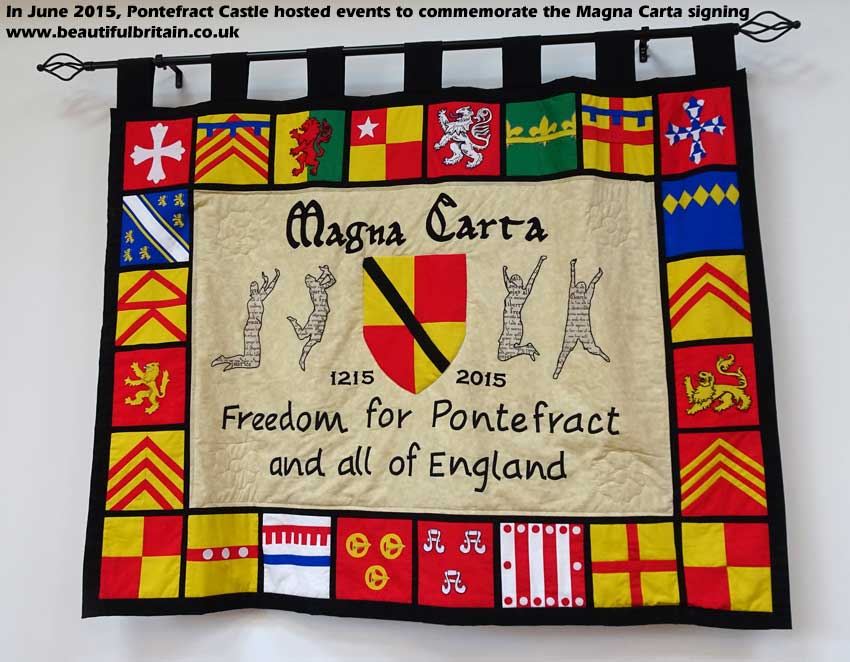 picture) and £30,000 monument (see
 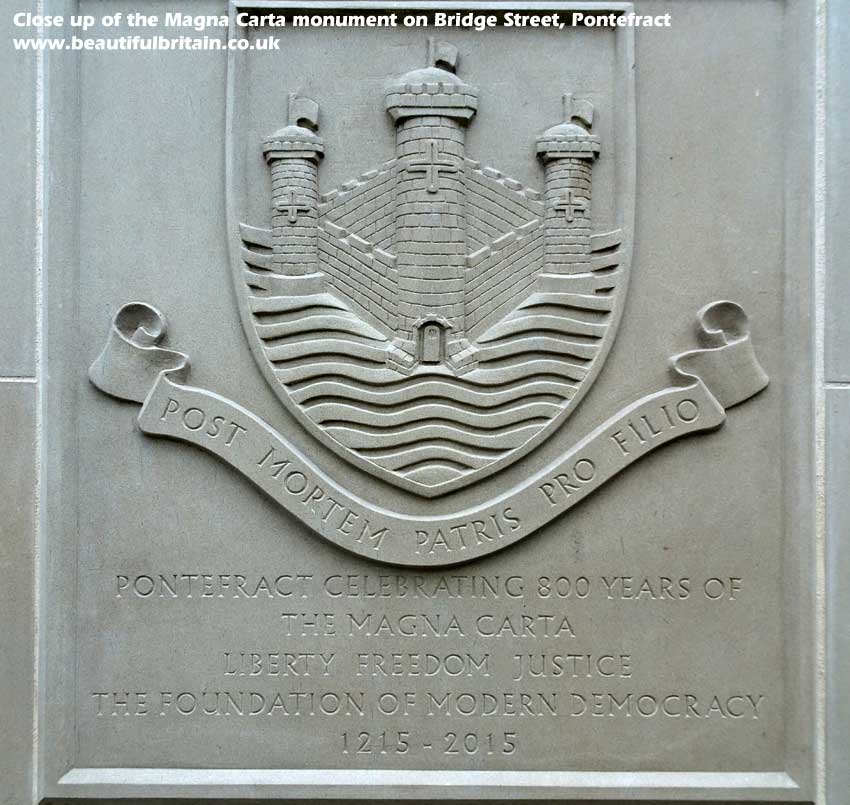 picture) in Pontefract, West Yorkshire.
1330The birth of Edward the Black
Prince, eldest son of Edward III. He married his cousin Joan, ‘The
Fair Maid of Kent’, who gave him two sons, one of whom was the future
Richard II.
1381Wat Tyler - leader of the
Peasants' Revolt, was killed at Smithfield in London. Richard II had agreed
to meet the leaders of the revolt, and listen to their demands. What was
said between Tyler and the king is largely conjecture but by all accounts
the unarmed Tyler was suddenly attacked without warning and killed by the
Lord Mayor of London, Sir William Walworth, and John Cavendish, a member of
the king's group. This unprovoked betrayal of the truce flag and Tyler's
killing threw the people into a panic. Not being organized as a military
force, they broke ranks and began to flee for their lives.
1825The foundation stone of the New
London Bridge was laid by ‘the grand old’ Duke of York. It now
spans an artificial lake in Arizona.
1860British nurse Florence
Nightingale, famous for tending British wounded during the Crimean War,
opened a school for nurses at St Thomas's Hospital in London.
1876 The opening of the Newcastle Swing Bridge, (see 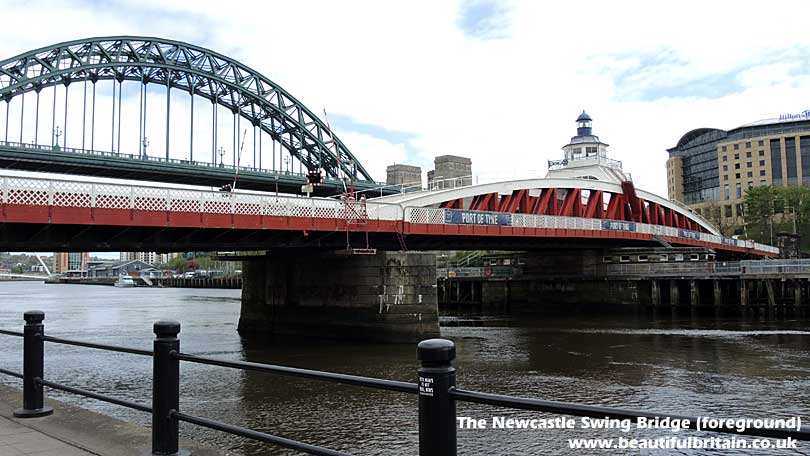 picture) designed and constructed by Sir W.G. Armstrong who lived
at Cragside (see
picture) designed and constructed by Sir W.G. Armstrong who lived
at Cragside (see 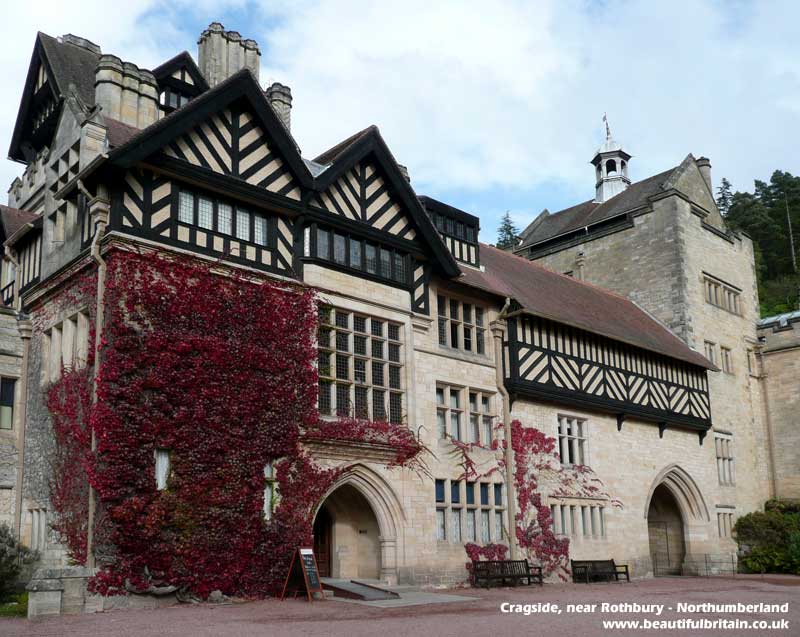 picture). The
bridge was first used for road traffic On This Day in 1876 and opened for
river traffic on the 17th July in the same year. At the time of its
construction it was the world's largest swing bridge.
picture). The
bridge was first used for road traffic On This Day in 1876 and opened for
river traffic on the 17th July in the same year. At the time of its
construction it was the world's largest swing bridge.
1909Representatives from England,
Australia and South Africa met at Lords and formed the Imperial Cricket
Conference. It was renamed the International Cricket Conference in 1965.
The ICC has 105 members including 10 Full Members that play official Test
matches.
1910British explorer Captain Robert
Scott set sail on his expedition to reach the South Pole. This Antarctic
100 memorial (see 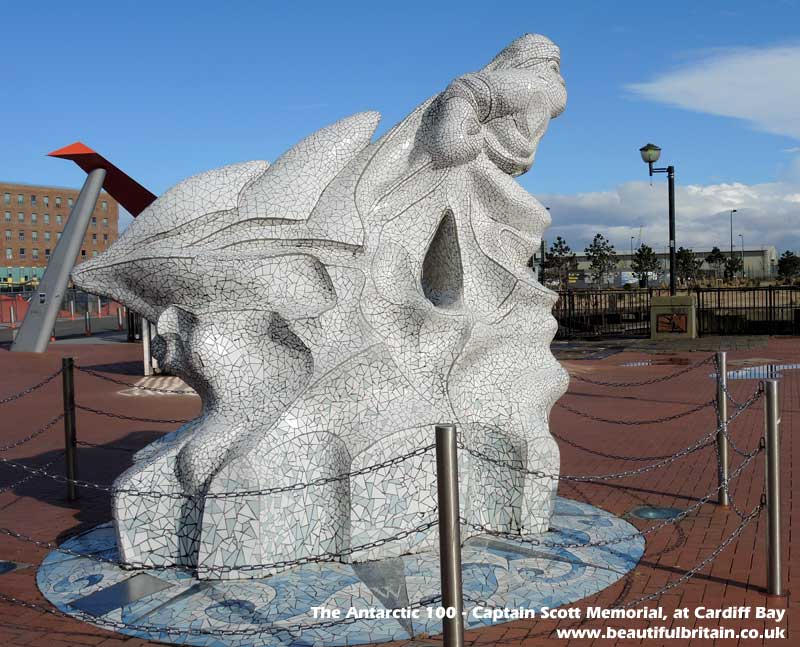 picture) at Cardiff Bay overlooks the point from which Scott's
ship the SS Terra Nova left Cardiff on its ill-fated voyage.
picture) at Cardiff Bay overlooks the point from which Scott's
ship the SS Terra Nova left Cardiff on its ill-fated voyage.
1911 The birth of the Reverend Wilbert Vere Awdry, English Anglican
cleric, railway enthusiast, and children's author. He was the creator of
Thomas the Tank Engine, the central figure in his acclaimed railway
stories. Awdry was born at Ampfield vicarage near Romsey and his father was
vicar of Ampfield church. See 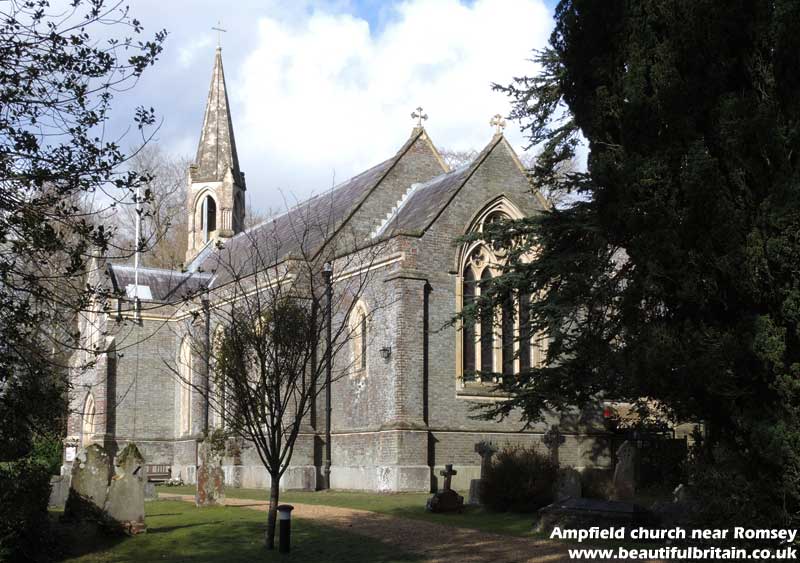 picture.
1928The House of commons voted to
fix the date of Easter. However, a clause in the Bill allowed the
consideration of the opinions of all the major churches and the Act was
never put in force.
1929British made Bentleys occupied
the first four places at the finish of the Le Mans 24 hour race in
France.
1940World War II: Operation Ariel
began and allied troops started to evacuate France, following Germany's
takeover of Paris and most of the nation.
1971Opposition grew to Education
Secretary Margaret Thatcher's plans to end free school milk for children
over the age of seven and some Labour controlled councils threatened to put
up the rates in order to continue supplying free milk.
1993James Hunt, English racing
driver and 1976 Formula One world champion died from a heart attack, aged
45. His charisma and charm both on and off the track brought a whole new
fanbase to the sport of Formula One.
1996An IRA bomb devastated the centre of Manchester. Miraculously no-one was killed but 200 people were taken to hospital. It was the biggest bomb ever exploded in peacetime Britain and was so powerful that no building within half a mile is thought to have been left undamaged. Insurance costs were £1.4 billion (at 2025 prices) and the explosion could be heard up to 15 miles away.
1998Britain introduced a £2
coin.
2013Twenty-seven people were
treated in hospital after an amphibious tourist craft sank in Liverpool's
Albert Dock (Note: - the dock was given Royal status on 6th June 2018). It was the second sinking involving one of the vessels. Six
days later the firm (Yellow Duckmarine -
http://www.theyellowduckmarine.co.uk/) went into administration. In 2012
the Queen and Prince Philip had been given a tour of the dock on one of the
vehicles during her Diamond Jubilee tour.
2023The long-awaited privileges committee report found that the former PM Boris Johnson was guilty of
a) Deliberately misleading the House
b) Deliberately misleading the Committee
c) Breaching confidence
d) Impugning the Committee and thereby undermining the democratic process of the House
e) Being complicit in the campaign of abuse and attempted intimidation of the Committee.
It was also recommended that Johnson should not be entitled to a former Member’s pass to the Houses of Parliament.