
On This Day - 12th March
1470 War of the Roses - The Battle of Losecoat Field (also known as the Battle of Empingham). The outcome was a victory for Yorkists Forces over Lancastrian Forces.
1664 New Jersey became a British colony as King Charles II of
England granted New Jersey
to his brother James, Duke of York.
New Jersey became a British colony as King Charles II of
England granted New Jersey
to his brother James, Duke of York.
1689The start of the Williamite War in Ireland; a conflict between Catholic King James II and Protestant King William of Orange over who would be King of England, Scotland and Ireland. The War was to have a lasting effect on Ireland, confirming British and Protestant rule over the country for over a century. The iconic Williamite victories of the Siege of Derry and the Battle of the Boyne are still celebrated by the Unionist community in Northern Ireland today.
1710Thomas Arne, English composer of Rule Britannia, was born. He also wrote a version of God Save the King, which was to become the British national anthem.
1868Henry O'Farrell from Dublin, attempted to assassinate Prince Alfred, Duke of Edinburgh, the second son and fourth child of Queen Victoria whilst he was on a tour of Australia. The attack caused great embarrassment in the colony, and led to a wave of anti-Irish sentiment, directed at all Irish people, including Protestant Loyalists.
1881Andrew Watson made his Scotland debut as the world's first black, international football player and captain.
1930Mahatma Gandhi began his 300-mile march to the sea in protest against
the British tax law securing a monopoly for salt. Joined by thousands of protesters,
Gandhi and his followers eventually reached the Arabian Sea, where they made
their own salt by evaporating sea water. The march, which resulted in the arrest
of Gandhi and 60,000 others, earned new international respect and support for
the leader and his movement.
1935Britain imposed a 30 mph speed limit in built up areas.
1941Islanders on the Hebrides hid thousands of bottles of shipwrecked
whisky from government officials. The episode was celebrated in the film "Whisky Galore."
1944Britain banned all travel to and from Ireland and Ulster
in an effort to prevent German spies operating in neutral Eire from learning
of the Allied invasion preparations taking place in Britain.
1950The Llandow air disaster occurred near Sigingstone in Wales. 80 people died when their aircraft crashed, making it the world's deadliest air disaster at the time.
1963Winston Churchill was granted an honorary US citizenship by America's
House of Representatives.
1969Paul McCartney married Linda Eastman, US photographer.
1984By the end of 12th March more than half of the country's 187,000 mineworkers were on strike over job cuts.
1994The Church of England ordained the first women priests (32 in total) at
Bristol Cathedral. See 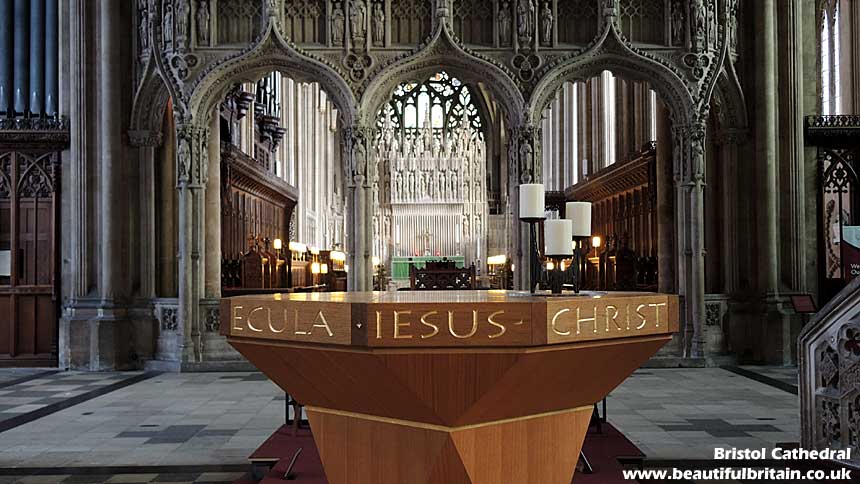 picture of Bristol Cathedral. It was a further 21 years before the first female Church of England bishop was appointed - (the Rt. Rev. Libby Lane - see the
 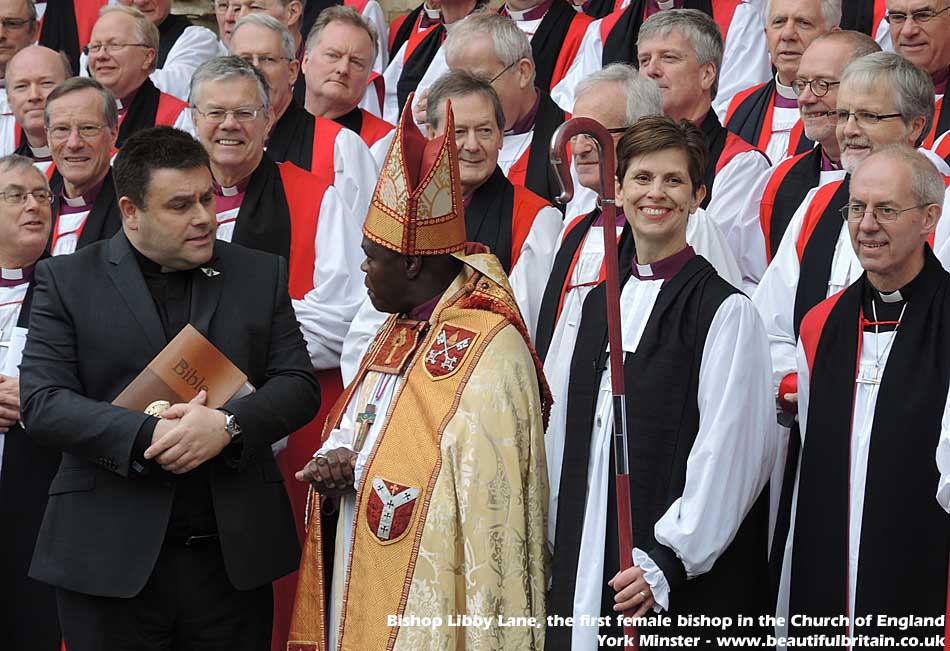 consecration picture).
2012 Hundreds of mourners, including figures from the legal, political and sporting world attended the funeral of the top Scottish QC, 44 year old Paul McBride. He became Scotland's youngest QC at the age of 35.
2013The people of the Falkland Islands voted overwhelmingly in favour of remaining a UK overseas territory. Of 1,517 votes cast in the two-day referendum - on a turnout of more than 90% - 1,513 were in favour, while just three votes were against.
2015 Two of Blackpool’s historic piers (Blackpool Central (see 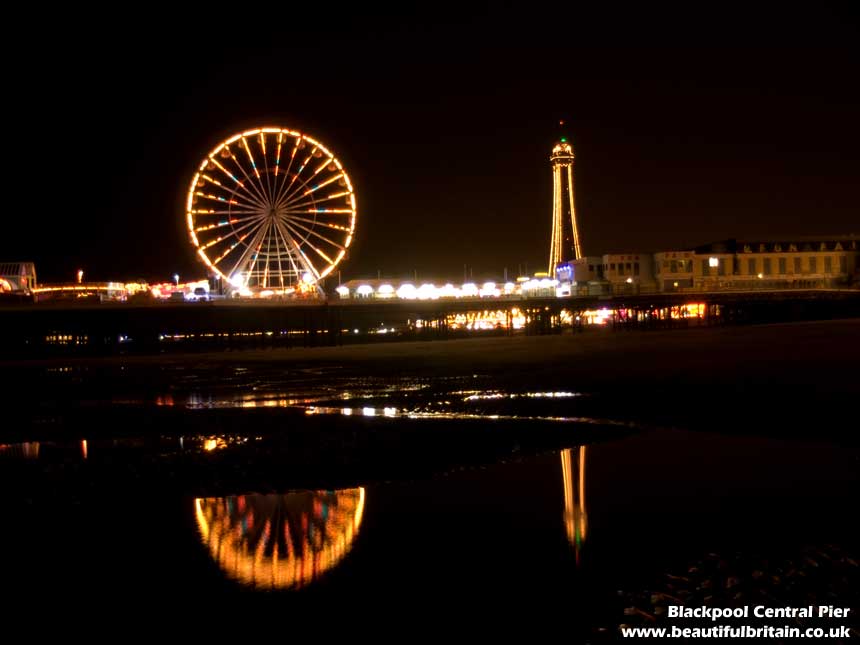 picture) and Blackpool South), together with Llandudno pier (see
 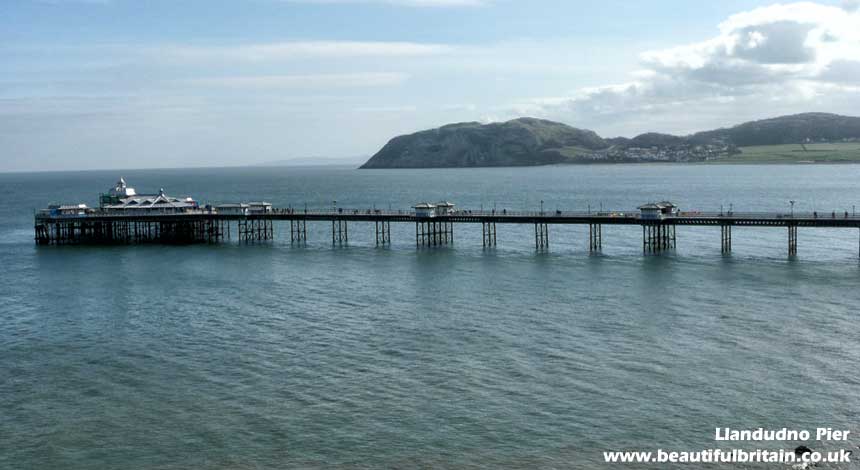 picture) the longest pier in Wales at almost 2,300 feet long, were put up for sale by Cuerden Leisure. Guide prices were £4.8M, £3.3M and £4.5M respectively.