
On This Day - 2nd March
1545 The birth of Sir Thomas Bodley, English diplomat, scholar and founder of the Bodleian Library, Oxford. See
 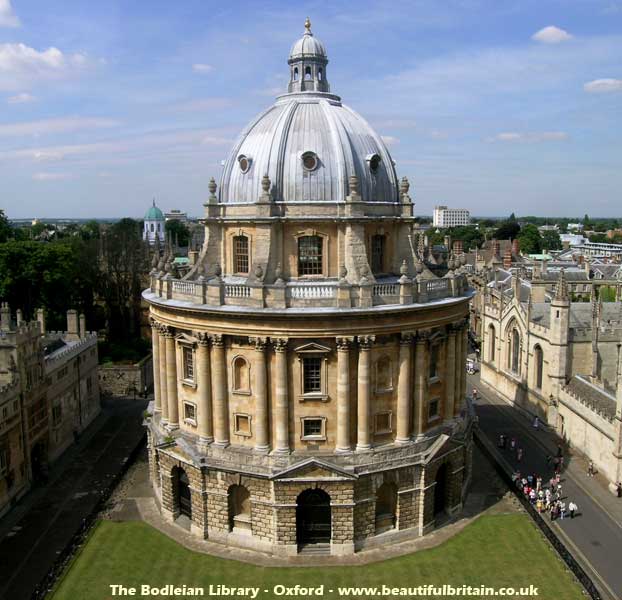 picture of the Bodleian Library. It is the main research library of the University of Oxford, and is second only in size to the British Library.
1705The birth of William Murray, 1st Earl of Mansfield, Scottish judge and politician. He is best known for his judgment in what was known as Somersett's Case, where he held that slavery was unlawful in England, although this did not end slave trafficking altogether.
1791The death of John Wesley, English theologian and founder of Methodism. He was
an evangelist like his brother Charles. Their father was an Anglican cleric and they lived here (see 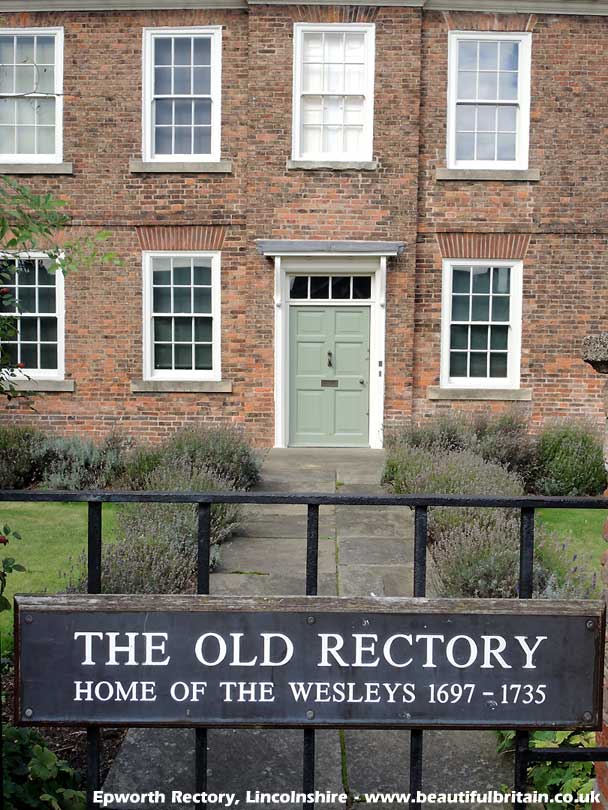 picture). This window in Epworth Methodist Church (see
 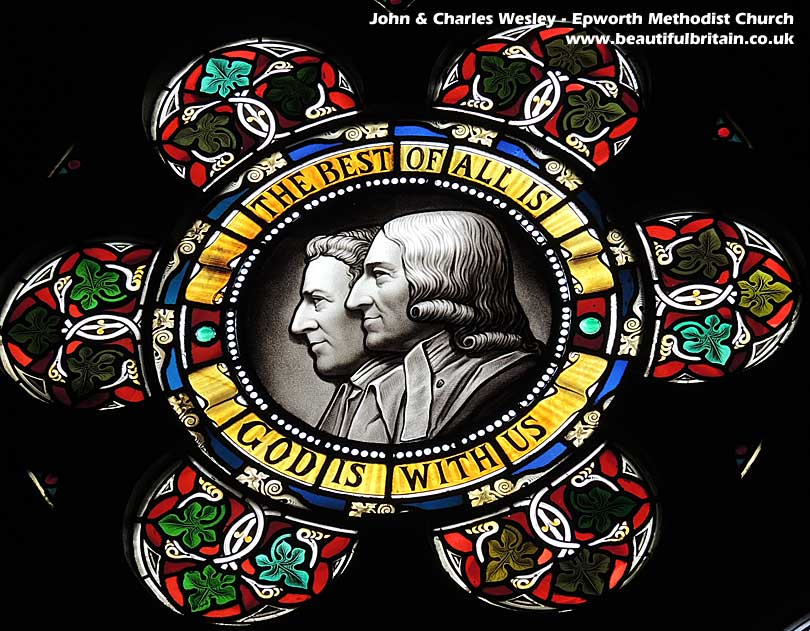 picture) features the two brothers.
1882An unsuccessful attempt was made by Scotsman Roderick Maclean to assassinate Queen Victoria. As she was leaving Windsor railway station he stepped forward from the cheering crowd, lifted a revolver and fired into her carriage. Before a second shot could be fired, he was overpowered by the crowd and arrested by Superintendent Hayes. Remaining calm, the Queen and her companions rode on to Windsor Castle.
1905 The death of Cuthbert Brodrick, architect of Leeds Town Hall (see 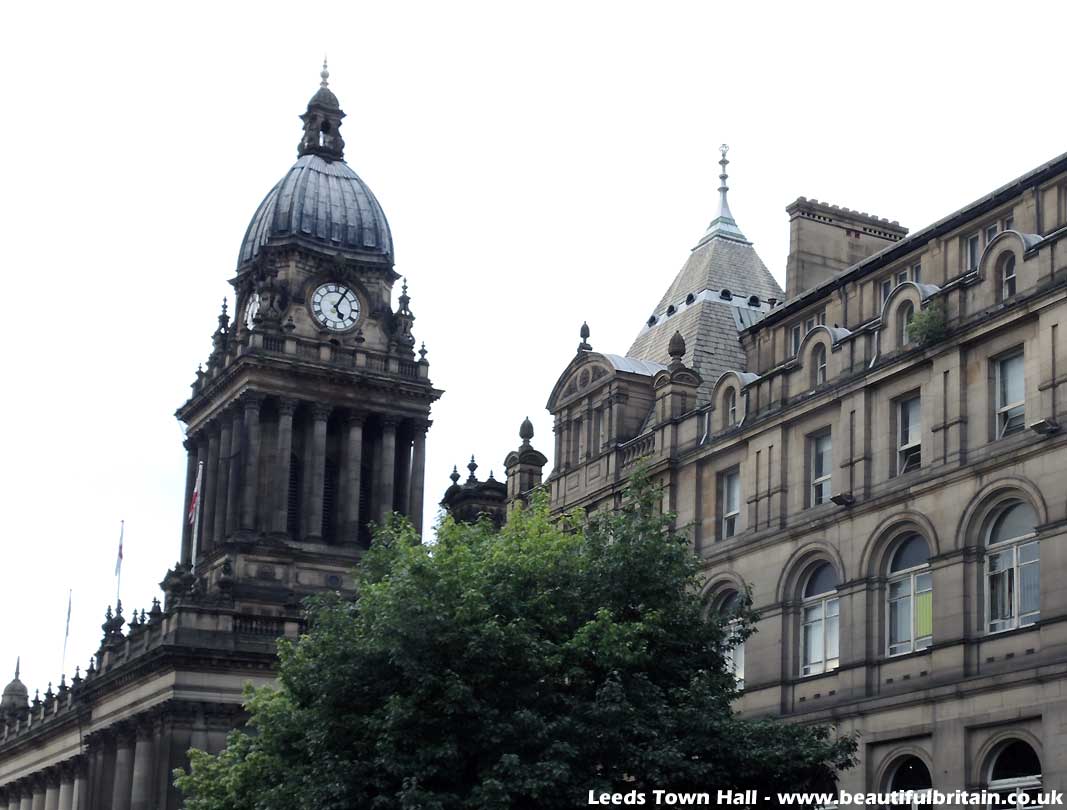 picture), one of the largest town halls in the United Kingdom and the Grand Hotel, Scarborough. (see interior
 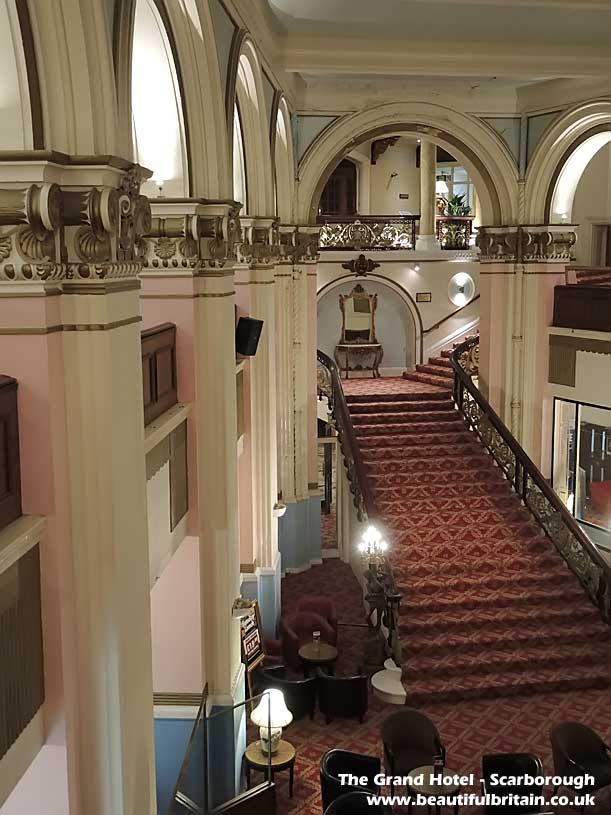 picture). At the time of its grand opening in 1867, it was the largest hotel and the largest brick structure in Europe.
1918The birth in Kenmare, Ireland, of Sir Peter O'Sullevan, horse racing commentator for the BBC for fifty years, from 1947 to 1997.
1923 The birth in Newcastle upon Tyne of Basil Hume, Roman Catholic bishop. He was a monk and priest of the English Benedictine monastery of Ampleforth Abbey (see 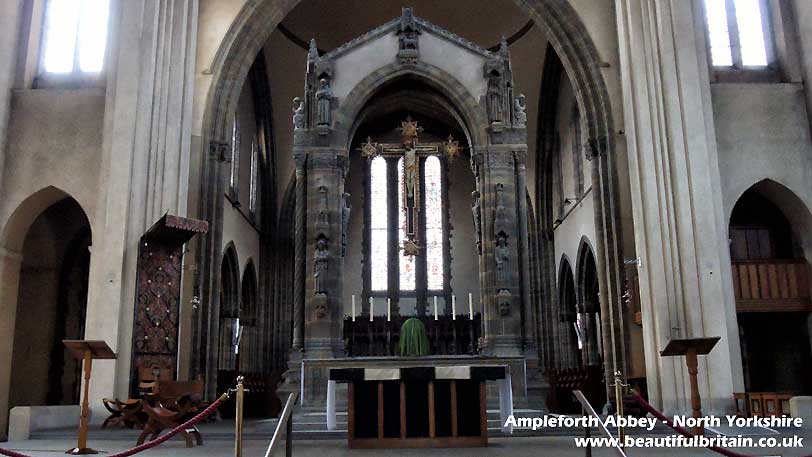 picture) and was its abbot for 13 years until his appointment in 1976 as Archbishop of Westminster and cardinal of the Roman Catholic Church. This statue of him (see
 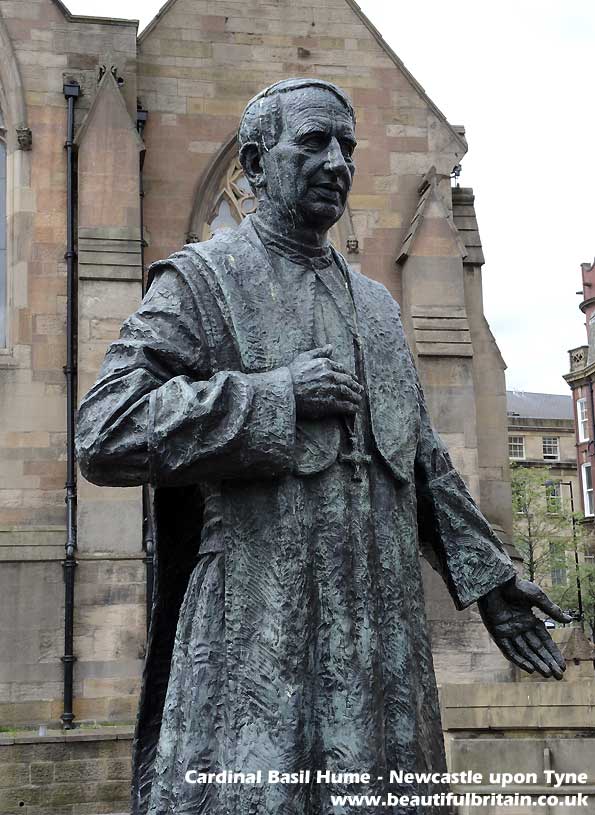 picture) was erected outside St Mary's Cathedral in Newcastle upon Tyne.
1930David Herbert Lawrence (known as D.H. Lawrence), novelist and poet,
died from tuberculosis in Vence - France at the age of 44. His books included
Lady Chatterley's Lover, Women in Love and Sons and Lovers.
1947The birth of Harry Redknapp, former English footballer with a long career in football management, starting in 1983 with Bournemouth and manager of Tottenham Hotspur from 2008.
1958A British team, led by explorer Vivian Fuchs, completed the first crossing
of the Antarctic. His 12-man party endured severe hardships to travel the 2,500
from the Filchner Ice Shelf to McMurdo Sound in just 99 days.
1969The maiden flight of Concorde, the Anglo-French supersonic airline. The
Anglo-French plane took off from Toulouse and was in the air for just 27 minutes.
1970Ian Smith, Prime Minister of Rhodesia, declared Rhodesia a republic, thereby
severing its links with the British Crown.
1986The Queen signed the Australia Act in Canberra. The Act resolved the
anomalous power of the United Kingdom's parliament to legislate over the individual
Australian states, a power that it had exercised since colonial times.
1988The Social Democratic Party and the Liberal Party launched their new
joint political party - the Social and Liberal Democrats.
1995British financial dealer Nick Leeson, who bankrupted Barings Bank, was
arrested at Frankfurt Airport.
2000Chilean General Augusto Pinochet left Britain after UK Home Secretary
Jack Straw told him that he was free to leave and declared that he would not
be extradited to Spain to face charges of human rights abuses.
2001Joanne Kathleen Rowling (J. K. Rowling), author of Harry Potter, received
an OBE from HRH Prince of Wales at Buckingham Palace.
2015 Police were given new powers to catch motorists driving under the influence of drugs. The levels for the illegal drugs, including heroin, cocaine and cannabis, meant that there would be 'virtually zero tolerance' for drivers apprehended with these substances in their system.
2015 The last surviving Dambusters pilot (Squadron Leader Les Munro) decided to sell his gallantry medals awarded for the famous raid and donate the proceeds to the newly-built Bomber Command Memorial in London, dedicated to the 55,573 airmen killed during the Second World War.